
Warehouse Management System for Manufacturing in Malaysia
From Raw Material Receipt to Finished Goods Dispatch — Every Movement Scanned, Every Record Accurate.
Manufacturing warehouses carry a burden other warehouses don't: production depends on them. A missing raw material stops a line; an unrecorded transfer distorts costing; a mislabelled pallet becomes a customer complaint. TheScanHub WMS digitises manufacturing warehouse operations end to end — receiving, putaway, production issue, finished goods receipt, and dispatch — with scan-enforced accuracy at every step.
Built and supported in Malaysia since 2009, TheScanHub has been deployed in electronics, furniture, ceramics, food production, and consumer goods manufacturing environments, integrating with ERP systems and warehouse automation and is designed for AMR (autonomous mobile robots) and ASRS (automated storage and retrieval systems).
-
Raw material receiving against purchase orders with supplier label or ASN scanning
-
Production issuing with lot/batch capture — full material-to-output traceability
-
Finished goods receipt with automatic label generation and putaway direction
-
FIFO/FEFO enforcement so the system, not the operator, decides pick sequence
-
Real-time WIP and stock visibility across raw material, packaging, and FG stores
-
ERP integration for synchronised stock balances and production orders
-
AMR and ASRS integration for automated warehouse workflows
-
Dispatch verification by scan — the wrong pallet physically cannot be shipped
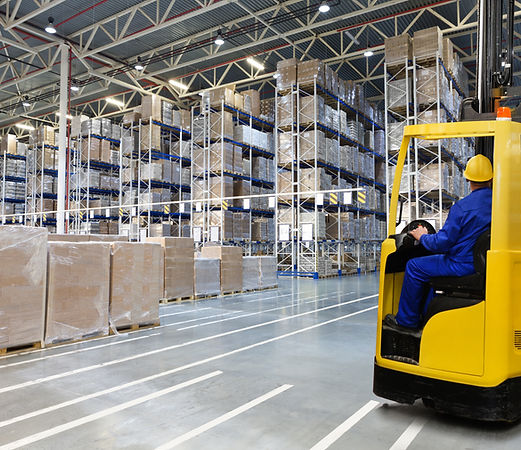
Who Is This Manufacturing
WMS For?
-
Electronics and electrical manufacturers managing high-SKU component stores
-
Furniture , Ceramics, building materials, and heavy-goods producers with pallet-based flows
-
FMCG and consumer goods plants running batch and expiry control
-
Contract manufacturers needing customer-specific traceability reporting
-
Plants investing in automation (AMR/ASRS) that need a WMS built to integrate
Common Manufacturing Warehouse Challenges We Solve
-
Production lines stopped by stock that "exists in the system" but can't be found
-
Month-end stock takes that shut the warehouse for days
-
Batch traceability assembled manually from paper records during audits
-
Costing distortions from unrecorded issues and returns
-
Automation investments underused because the WMS can't orchestrate them
Why a Manufacturing WMS

Production Never Waits
Real-time visibility of raw materials and packaging means the line is never stopped by stock that can't be found.

Traceability Built In
Lot and batch flow from receiving through production to dispatch, so audits and recalls take minutes, not days.

Accurate Costing
Every issue, return, and transfer is scanned and recorded, keeping production costing honest.

FIFO/FEFO Enforced
The system decides pick sequence automatically — operators cannot ship the wrong batch first.

Automation Ready
Built to integrate with AMR and ASRS, coordinating people and machines in one execution layer.

ERP in Sync
Stock balances and production orders stay synchronised, so planning works from numbers that match the floor.
Proven in Malaysian Manufacturing
TheScanHub has designed integrated warehouse solutions for Malaysian manufacturing environments combining WMS, ASN and AMR — a single scan-driven execution layer coordinating people and automation. A Malaysian ceramics group deployed TheScanHub WMS across pallet-intensive finished goods operations. Since 2009, our manufacturing deployments have shared one outcome: stock records the production planner can finally trust.
Frequently Asked Questions — WMS for Manufacturing
Does TheScanHub WMS integrate with our ERP?
Yes. TheScanHub integrates with major ERP systems for item master, purchase orders, production orders, and stock balance synchronisation, so the ERP remains the system of record while TheScanHub enforces accurate execution on the floor.
Can it handle batch and lot traceability for manufacturing?
Yes. Lot/batch numbers are captured at receiving, carried through production issue and finished goods receipt, and reported end to end — supporting recalls, customer audits, and regulatory requirements.
Does it work with warehouse automation like AMR or ASRS?
Yes. TheScanHub has been deployed in integrated environments combining WMS with ASN and is designed for AMR and ASRS acting as the execution layer that coordinates manual and automated workflows.
How long does implementation take for a manufacturing site?
A typical single-site manufacturing deployment takes 8–16 weeks depending on process complexity and integration scope, delivered with structured onboarding and SOP alignment so teams operate correctly from day one.
Is TheScanHub suitable for Malaysian manufacturing SMEs, or only large plants?
Both. The system is configurable to your SOPs without heavy customisation, which keeps it practical for mid-sized plants while scaling to multi-store, automation-integrated operations.