
Revolutionizing Tracking with Digital Asset Solutions
In today’s fast-paced world, managing and monitoring assets efficiently is crucial for businesses across industries. Asset tracking technology has transformed how companies keep tabs on their valuable resources, improving accuracy, reducing losses, and enhancing operational efficiency. This blog post explores the revolutionary impact of asset tracking technology, practical applications, cost considerations, and future trends shaping the landscape.
Understanding Asset Tracking Technology and Its Benefits
Asset tracking technology refers to the tools and systems used to monitor the location, status, and usage of physical assets. These assets can range from machinery and vehicles to IT equipment and inventory. The technology employs various methods such as barcodes, RFID tags, GPS, and IoT sensors to collect real-time data.
Key benefits include:
Improved accuracy: Automated tracking reduces human errors common in manual record-keeping.
Enhanced security: Real-time alerts help prevent theft or unauthorized use.
Optimized utilization: Businesses can identify underused assets and allocate resources more effectively.
Cost savings: Minimizing losses and maintenance costs leads to better financial management.
Regulatory compliance: Accurate records support audits and compliance with industry standards.
For example, a construction company using GPS-enabled asset tracking can monitor heavy equipment locations, ensuring timely maintenance and preventing theft. Similarly, healthcare facilities track medical devices to maintain availability and safety standards.
How Asset Tracking Technology is Transforming Industries
Asset tracking technology is not limited to one sector; it is revolutionizing multiple industries by providing tailored solutions.
Manufacturing
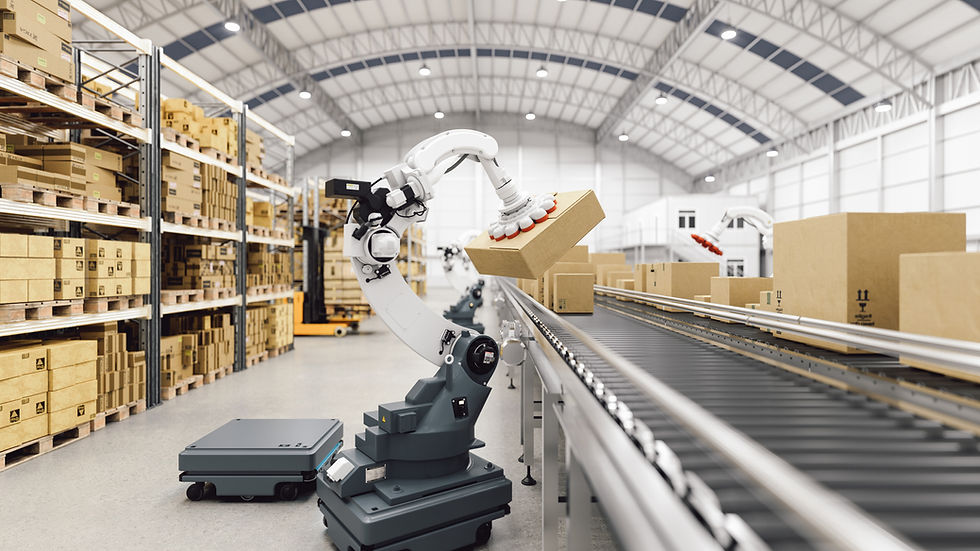
Manufacturers use asset tracking to monitor machinery health and production line efficiency. Sensors detect wear and tear early, preventing costly downtime. Inventory tracking ensures raw materials are available when needed, streamlining supply chains.
Logistics and Transportation
GPS and RFID systems enable real-time tracking of shipments and vehicles. This visibility improves delivery accuracy, reduces delays, and enhances customer satisfaction. Fleet managers can optimize routes and monitor driver behavior for safety.
Healthcare
Hospitals track medical equipment, pharmaceuticals, and patient records with asset tracking technology. This reduces equipment loss, ensures timely sterilization, and improves patient care quality.
Retail
Retailers use asset tracking to manage inventory levels, prevent stockouts, and reduce shrinkage. Smart shelves and barcode scanning speed up checkout processes and improve customer experience.
Education and Government
Schools and government agencies track IT assets, furniture, and vehicles to maintain accountability and optimize resource allocation.
By integrating asset tracking technology, these industries gain operational transparency and data-driven decision-making capabilities.

How much does a DAM system cost?
Digital Asset Management (DAM) systems are a subset of asset tracking technology focused on organizing, storing, and retrieving digital files such as images, videos, and documents. The cost of implementing a DAM system varies widely depending on several factors:
Size of the organization: Larger companies require more storage and user licenses.
Features: Advanced search, AI tagging, workflow automation, and integrations increase costs.
Deployment type: Cloud-based solutions typically have subscription fees, while on-premises systems involve upfront hardware and software expenses.
Customization: Tailored solutions to fit specific business needs can add to the price.
Typical pricing models include:
Subscription-based: Monthly or annual fees ranging from $50 to several thousand dollars per month.
Perpetual license: One-time payment plus maintenance fees.
Hybrid: Combination of subscription and license fees.
For small to medium businesses, cloud-based DAM systems offer affordable entry points with scalable options. Enterprises may invest significantly more for comprehensive, customized solutions.
When budgeting, consider not only the initial cost but also ongoing expenses such as training, support, and upgrades. A well-chosen DAM system can deliver a strong return on investment by improving efficiency and reducing asset mismanagement.
Practical Tips for Implementing Asset Tracking Technology
Successful adoption of asset tracking technology requires careful planning and execution. Here are actionable recommendations:
Assess your needs: Identify which assets to track and the level of detail required.
Choose the right technology: Select from barcodes, RFID, GPS, or IoT based on asset type and environment.
Integrate with existing systems: Ensure compatibility with ERP, inventory, or maintenance software.
Train staff: Provide comprehensive training to maximize system usage and data accuracy.
Establish protocols: Define procedures for tagging, scanning, and updating asset information.
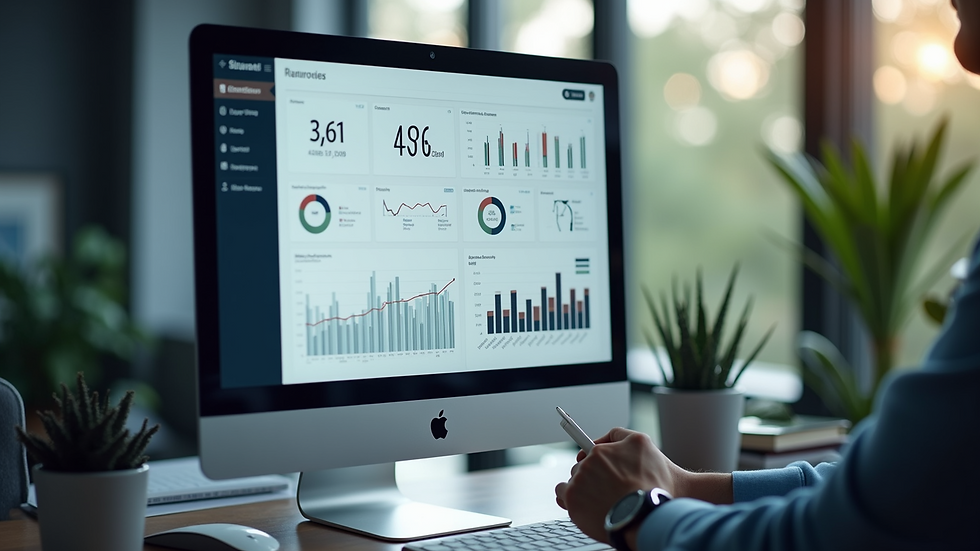
Monitor and analyze data: Use insights to optimize asset utilization and maintenance schedules.
Plan for scalability: Choose solutions that can grow with your business needs.
For example, a company implementing RFID tags on equipment should create a tagging protocol and train employees on scanning procedures. Regular audits can verify data accuracy and system effectiveness.
The Future of Asset Tracking Technology
The future promises exciting advancements in asset tracking technology, driven by innovations such as:
Artificial Intelligence (AI): AI-powered analytics will predict maintenance needs and optimize asset deployment.
Blockchain: Enhancing security and transparency in asset ownership and transfer records.
5G Connectivity: Faster data transmission enabling real-time tracking with minimal latency.
Augmented Reality (AR): Assisting workers in locating and servicing assets through AR glasses.
Sustainability Focus: Tracking energy consumption and environmental impact of assets.
Businesses that embrace these trends will gain competitive advantages through improved efficiency, security, and sustainability.
Incorporating digital asset tracking solutions today sets the foundation for leveraging tomorrow’s innovations.
Embracing Asset Tracking Technology for Business Growth
Asset tracking technology is no longer a luxury but a necessity for businesses aiming to optimize operations and reduce costs. By understanding its benefits, costs, and implementation strategies, organizations can make informed decisions that drive growth and efficiency.
Investing in the right asset tracking solutions enables better control over resources, enhances security, and supports data-driven management. As technology evolves, staying ahead with innovative tracking systems will be key to maintaining a competitive edge in any industry.


